
Autoimmune Skin Diseases: A Complete Guide (Kedah, Perlis & Penang)
Autoimmune skin diseases happen when the body’s own immune system mistakenly attacks healthy skin. This group includes conditions such as psoriasis, vitiligo, lupus of the skin, alopecia areata, and blistering diseases. They are often long-term (kronik) and need ongoing specialist care.
Signs and Symptoms
Signs vary widely depending on which condition you have, but may include:
- Persistent red, scaly plaques (psoriasis) or thickened, itchy patches.
- White patches of lost colour (vitiligo) as pigment cells are attacked.
- Round bald patches on the scalp or beard (alopecia areata).
- A butterfly-shaped rash across the cheeks and nose, or rashes worsened by sunlight (lupus).
- Painful blisters or raw areas (blistering diseases like pemphigus).
- Symptoms that flare (flare-up) and settle over time, sometimes linked to stress or illness.
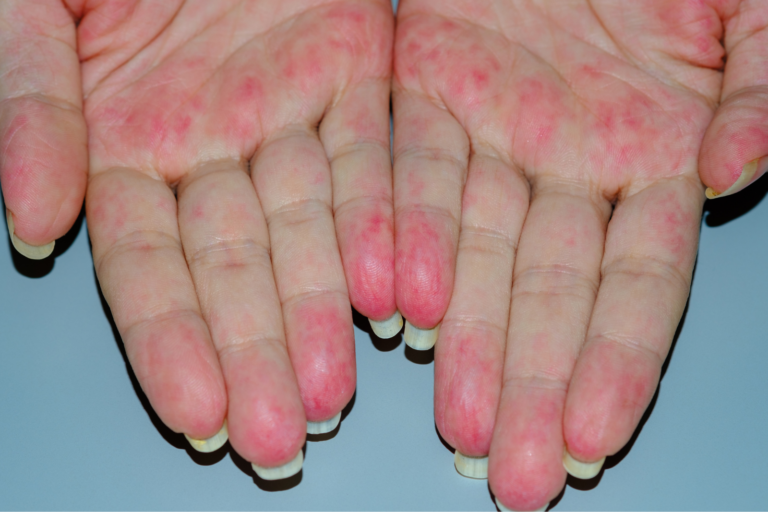
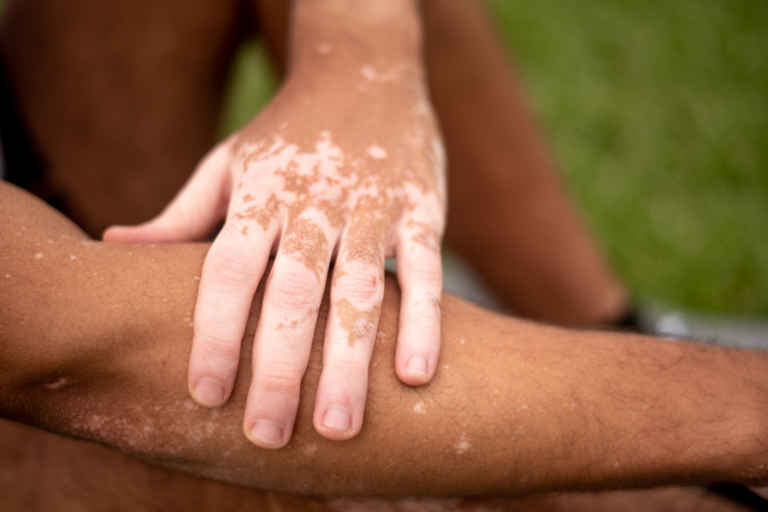
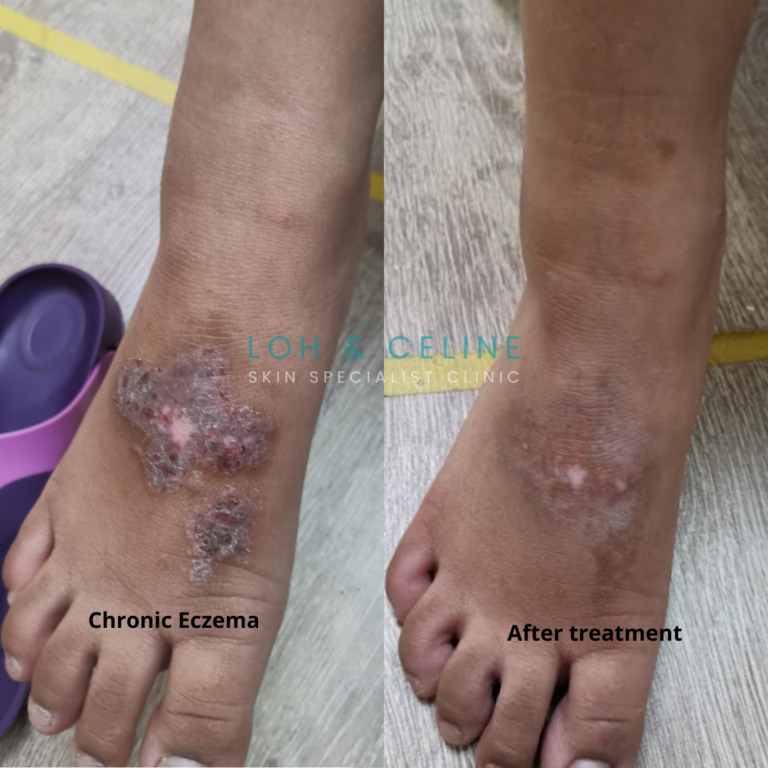
What Causes Autoimmune Skin Disease & How We Treat It
The exact cause is complex — a mix of genetics, immune-system triggers, and environmental factors like infection, stress, or sunlight. There is often no single “cure,” but modern treatment can control the disease very effectively, reduce flares, and protect your quality of life.
Step 1 — Topical therapy: prescription creams and ointments (such as topical steroids or calcineurin inhibitors) to calm localised inflammation.
Step 2 — Phototherapy & oral medicines: controlled light therapy and immune-modulating tablets for more widespread disease.
Step 3 — Advanced & biologic therapy: targeted biologic injections that precisely dampen the overactive immune signals — a major advance for conditions like severe psoriasis.
Because these diseases can also affect other parts of the body, a dermatologist will assess you as a whole person and coordinate care where needed.
Autoimmune Skin Conditions We Treat
Some of the most common conditions in this group.
Psoriasis
Red, scaly plaques from an overactive immune cycle — well controlled with modern and biologic therapy.
Vitiligo
White patches from pigment cells under attack — managed to restore colour and even tone.
Alopecia Areata
Sudden round bald patches as the immune system targets hair follicles — treatable, often reversible.
Lupus & Blistering Diseases
Skin lupus and pemphigus/pemphigoid — require careful specialist diagnosis and long-term management.
Frequently Asked Questions (Soalan Lazim)
Can autoimmune skin diseases be cured?
Are these conditions contagious (berjangkit)?
Will my children inherit it?
What triggers a flare-up?
What are biologics?
Is it safe to be in the sun?
Do I need lifelong treatment?
Should I change my diet?
Explore More
Trusted resources and related reading.
Psoriasis Guide
Our complete guide to psoriasis and biologic therapy.
Vitiligo Guide
Understanding and treating loss of skin colour.
Hair Loss & Alopecia
Including autoimmune alopecia areata.
AAD: Psoriasis
American Academy of Dermatology resource on psoriasis.
NHS: Lupus
UK NHS overview of lupus.
Book a Consultation
See Dr Loh in Alor Setar for expert autoimmune skin care.
About the Author
Medically reviewed by Dr Loh Ken Chen, Consultant Dermatologist at Loh & Celine Skin Specialist Clinic, Alor Setar, Kedah. Serving patients across Kedah, Perlis and Penang. This guide is for education only and does not replace a personal consultation. He is registered on the National Specialist Register (NSR) of Malaysia, NSR No. 133112.