Skin Cancer & Skin Growths: A Complete Guide (Kedah, Perlis & Penang)

Not every spot or growth on your skin is dangerous — but some are, and telling them apart early can be life-saving. This guide explains four common skin growths we assess at Loh & Celine Skin Specialist Clinic in Alor Setar, Kedah: Seborrhoeic Keratosis (harmless), Actinic Keratosis (pre-cancerous), Basal Cell Carcinoma and Melanoma (skin cancers). We serve patients across Kedah, Perlis and Penang.

The “Traffic Light” Analogy 🚦
Think of skin growths like traffic lights.
🟢 Green (harmless): Seborrhoeic keratosis — a very common “stuck-on,” warty growth that is not cancer.
🟡 Amber (warning): Actinic keratosis — sun-damaged, rough patches that are pre-cancerous and should be treated.
🔴 Red (act now): Basal cell carcinoma and melanoma — actual skin cancers that need prompt medical treatment. A dermatologist reads the “lights” correctly so nothing dangerous is missed.
⚠️ Important: This guide is for education only — it is not a substitute for a professional exam. Only a dermatologist can diagnose skin cancer, usually with a skin exam and a biopsy. If you have a changing, new or worrying spot, please book a check-up.

Warning Signs: The ABCDE Rule

The ABCDE Rule for Melanoma

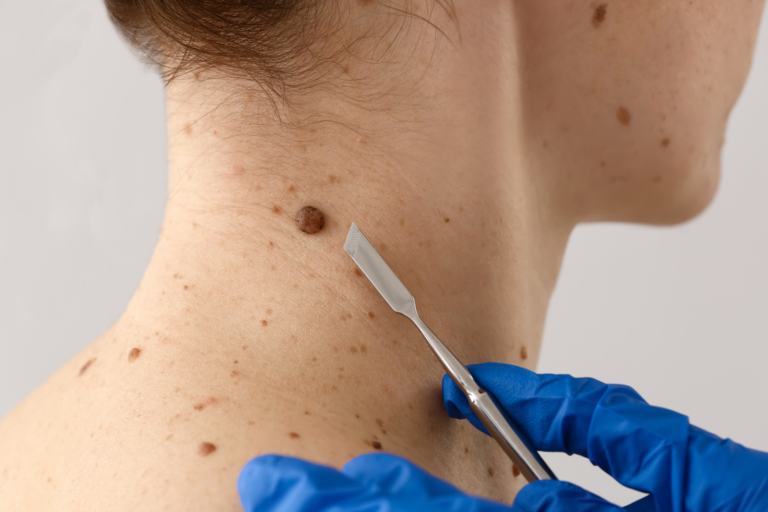
An easy way to remember the warning signs of melanoma — the most serious skin cancer. See a doctor promptly if a mole shows any of these:

  • A — Asymmetry: one half doesn’t match the other.
  • B — Border: irregular, ragged or blurred edges.
  • C — Colour: more than one colour, or uneven shades.
  • D — Diameter: larger than about 6mm (a pencil eraser), though smaller ones can be melanoma too.
  • E — Evolving: changing in size, shape, colour — or itching, bleeding or crusting.
The “Ugly Duckling” tip: If one mole looks clearly different from all your others, get it checked. In our sunny Kedah & Penang climate, protecting your skin from the sun is the single best way to lower your risk.

The Four Common Skin Growths Explained

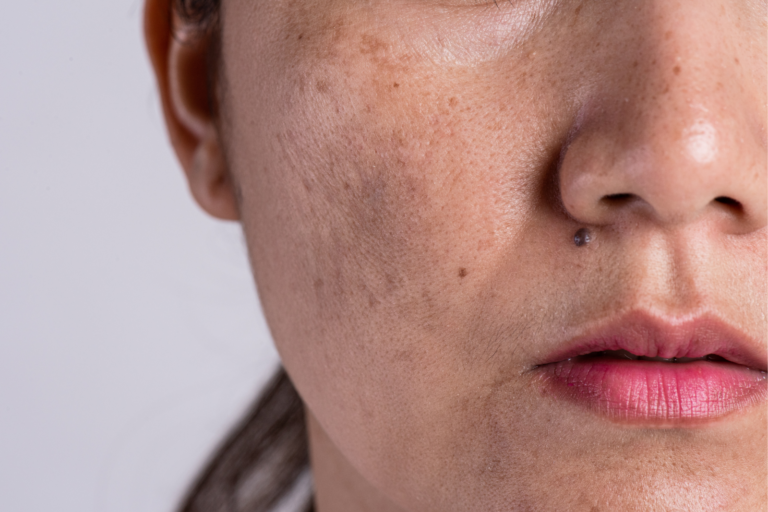
🟢 Seborrhoeic Keratosis (Harmless): Very common with age — waxy, “stuck-on,” brown or black warty bumps. They are benign (not cancer) and only need removal if they’re irritated or you dislike the look. But because they can occasionally mimic other growths, it’s worth having new ones checked.
🟡 Actinic Keratosis (Pre-Cancerous): Rough, scaly, sandpaper-like patches on sun-exposed skin (face, scalp, hands). They are caused by long-term sun damage and can, over time, turn into a type of skin cancer — so they should be treated. Options include cryotherapy (freezing), creams and light-based therapy.
🔴 Basal Cell Carcinoma (BCC): The most common skin cancer. Often a pearly bump, a sore that won’t heal, or a pink patch. It grows slowly and rarely spreads, but it should be removed to prevent local damage. Treatment is usually a minor surgical procedure and is highly successful when caught early.
🔴 Melanoma (Most Serious): Can appear as a new mole or a change in an existing one (remember ABCDE). Melanoma can spread if not caught early — but when found early, it is highly treatable. This is why early detection matters so much.

How Skin Cancer Is Diagnosed & Treated

Diagnosis starts with a full skin exam, often using a dermatoscope, and confirmed with a biopsy (a small skin sample). Treatment depends on the type and may include:

  • Cryotherapy or creams — for actinic keratosis and some superficial growths.
  • Minor surgical removal — for BCC and confirmed cancers, with the sample checked in the lab.
  • Referral for specialist cancer care — for melanoma or advanced cases, coordinated promptly.
Prevention matters most: Daily sunscreen (SPF 30+), sun-protective clothing, avoiding peak midday sun, and regular skin self-checks dramatically lower your risk — especially in our tropical climate.

Trusted Medical References

For further reading from global authorities, see the AAD on Types of Skin Cancer and Melanoma, and the NHS on Melanoma and Non-Melanoma Skin Cancer.

Why Choose Loh & Celine Skin Specialist Clinic?

Led by board-certified dermatologist Dr Loh Ken Chen, we provide expert skin checks, dermoscopy and biopsy to diagnose skin growths accurately and act early. We’re a trusted choice for patients across Kedah, Perlis and Penang. Explore all our skin conditions we treat.

The Four Common Skin Growths at a Glance

From harmless to serious — here’s a quick guide to the growths we assess and treat.

Seborrhoeic Keratosis

🟢 Harmless waxy “stuck-on” growths. Removed only if irritated or unwanted — but worth checking new ones.

Actinic Keratosis

🟡 Pre-cancerous rough, scaly sun-damage patches. Treated with cryotherapy, creams or light therapy.

Basal Cell Carcinoma

🔴 The most common skin cancer — usually a pearly bump or non-healing sore. Highly treatable when caught early.

Melanoma

🔴 The most serious skin cancer. Watch for ABCDE mole changes — early detection is life-saving.

Frequently Asked Questions (Soalan Lazim)

Real questions we hear about skin cancer and skin growths in Kedah, Perlis and Penang.

Use the ABCDE rule: Asymmetry, Border irregularity, Colour variation, Diameter over ~6mm, and Evolving/changing. Any mole that looks different from your others, or is changing, itching or bleeding, should be checked by a dermatologist promptly.

No. Seborrhoeic keratosis is a harmless (benign) growth — not cancer. It’s very common with age. It only needs removal if it’s irritated or you don’t like it, but new growths are worth having checked to be sure of the diagnosis.

Actinic keratosis is a rough, scaly patch caused by sun damage. It’s considered pre-cancerous because a small number can progress to skin cancer over time, so treating it early is a sensible precaution.

When found early, most skin cancers — including basal cell carcinoma and melanoma — are highly treatable, often with a minor procedure. This is exactly why early detection and prompt professional assessment matter so much.

Yes. While less common, skin cancer can affect all skin tones, and is sometimes found later. Everyone should protect their skin from the sun and get any new or changing spot checked.

Use a broad-spectrum SPF 30+ daily, wear hats and protective clothing, avoid peak midday sun, and do regular skin self-checks. In our strong tropical sun, daily protection is the most effective prevention.

A dermatologist examines your skin, often with a dermatoscope, and confirms the diagnosis with a biopsy — a small skin sample checked in the lab. This is the only reliable way to diagnose skin cancer.

See a specialist for any new growth, a mole that is changing, a sore that won’t heal, or a rough patch that persists. When in doubt, get it checked — early assessment gives the best outcome.

Explore More (Trusted References)

Learn more from trusted global medical authorities and our clinic guides.

AAD — Types of Skin Cancer

Global dermatology authority overview of skin cancer types.

AAD — Melanoma

Detailed authority guidance on melanoma from the AAD.

NHS — Melanoma

Trusted UK NHS patient information on melanoma.

NHS — Non-Melanoma Skin Cancer

NHS guide to BCC and other non-melanoma skin cancers.

Skin Conditions We Treat

Explore our full range of dermatology services and condition guides.

Book a Skin Check

See Dr Loh Ken Chen in Alor Setar — serving Kedah, Perlis & Penang.

About the Author

Dr Loh Ken Chen is a board-certified dermatologist at Loh & Celine Skin Specialist Clinic in Alor Setar, Kedah. He provides expert skin cancer screening, dermoscopy and biopsy, and treats a full range of skin conditions for patients across Kedah, Perlis and Penang. This guide is educational and does not replace a professional skin examination. He is registered on the National Specialist Register (NSR) of Malaysia, NSR No. 133112.

Meet the Skin Specialists