
Topical Steroid Withdrawal Treatment in Kedah
For many eczema sufferers in Malaysia, steroid creams have long been the default solution for managing flare-ups. However, a growing awareness of the importance of proper Topical Steroid Withdrawal treatment (commonly called TSW) has left many patients terrified of using their prescribed medications.
At Loh & Celine Skin Specialist Clinic in Alor Setar and Liv Skin Specialist Clinic in Sungai Petani, we frequently meet patients suffering from worsening skin conditions because they are either trapped in a cycle of steroid dependency or abandoning medical treatment altogether out of fear.
If you are worried about steroid side effects, here is what you need to know about TSW, the proper role of steroids, and the advanced, non-steroidal treatments now available.

What is Topical Steroid Withdrawal Treatment (TSW)?
Topical Steroid Withdrawal (sometimes called “red skin syndrome” or topical steroid addiction) is a severe rebound reaction that occurs when a person abruptly stops using moderate to high-potency steroid creams after prolonged, daily use.
According to the National Eczema Association, instead of returning to baseline eczema, the skin erupts in a completely different, highly aggressive way. Common TSW symptoms include:
- Intense, uncontrollable burning and stinging (often worse than the original eczema itch).
- Bright red, inflamed skin that often spreads to areas where steroids were never applied.
- “Elephant wrinkles” or severely thickened skin.
- Excessive flaking and shedding (often described as “snowing”).
- Oozing, weeping skin that is highly susceptible to bacterial infections.
TSW is painful and mentally exhausting. If you suspect you are experiencing TSW, do not attempt to manage it alone with natural remedies. It requires careful, guided medical intervention from a certified dermatologist to safely transition your skin back to health.
Are Steroid Creams Bad for Eczema? (Topical Steroid Withdrawal Treatment Explained)
Because of TSW, many patients assume all steroid creams are dangerous. This is a misconception. As outlined by the UK’s National Health Service (NHS), topical corticosteroids are highly effective and perfectly safe when used correctly under medical supervision.
The danger lies in misuse—specifically, applying strong steroids for weeks or months without a doctor’s supervision, or using them as a daily moisturizer rather than a targeted medical tool.
In a safe eczema treatment plan, dermatologists use steroids strictly as a “rescue therapy.” They are prescribed in short, controlled bursts (usually 1 to 2 weeks) to rapidly extinguish severe inflammation, redness, and itching. Once the “fire” is out, the patient must transition to a maintenance therapy.
The Future of Eczema Care: Topical Steroid Withdrawal Treatment & Non-Steroid Creams
To avoid the risks of skin thinning (atrophy) and TSW, dermatologists now utilize advanced prescription non-steroidal creams for long-term eczema maintenance. These medications do not contain steroids; instead, they target the immune system pathways in the skin that cause inflammation.
As noted by the Mayo Clinic’s guidelines on Atopic Dermatitis, these advanced therapies are revolutionizing how we maintain clear skin. Here are the most effective non-steroid options we prescribe for our patients in Kedah:
1. Topical Calcineurin Inhibitors (TCIs): Tacrolimus & Pimecrolimus
Instead of broadly suppressing the immune system like steroids, TCIs specifically block a protein called calcineurin, preventing the immune system’s T-cells from triggering the allergic reactions that cause eczema.
Examples: Tacrolimus (Protopic) and Pimecrolimus (Elidel).
The Benefit: Because they do not cause skin thinning, they are incredibly safe for long-term use. They are especially valuable for treating eczema on thin, delicate skin areas where steroids are risky, such as the eyelids, face, neck, and skin folds.
2. PDE4 Inhibitors
Phosphodiesterase 4 (PDE4) is an enzyme in the body that controls inflammation. In people with eczema, this enzyme is often overactive. PDE4 inhibitors are non-steroidal topical ointments that block this enzyme directly within the skin cells, significantly reducing redness and itching.
Example: Crisaborole (Eucrisa).
The Benefit: It is a targeted, steroid-free option that can be used daily on mild to moderate eczema to maintain clear skin and prevent the frequency of severe flare-ups.
3. Advanced Emollients (Ceramide-Dominant Creams)
While not an active pharmaceutical drug, medical-grade emollients are the foundation of non-steroidal care. Eczema-prone skin lacks ceramides (the natural lipids that hold skin cells together). Using ceramide-dominant barrier repair creams seals in moisture and locks out the environmental triggers in our hot, humid Malaysian climate.
Get Expert Guidance in Alor Setar & Sungai Petani
Navigating the transition from steroid dependency to a safe, non-steroidal maintenance routine requires expertise. Using the wrong cream at the wrong time can trigger massive flare-ups.
You do not have to choose between suffering through eczema or risking TSW. With the right medical guidance, you can achieve clear, comfortable skin safely.
Take the first step toward steroid-free skin management. Book a consultation with our certified dermatologists today.
📍 Loh & Celine Skin Specialist Clinic – Alor Setar
📍 Liv Skin Specialist Clinic – Sungai Petani
📞 Contact us: 016-2915711
🌐 Learn more: www.lohcelineskinspecialist.com
Frequently Asked Questions: TSW & Non-Steroid Eczema Treatment
What is topical steroid withdrawal (TSW)?
How long does topical steroid withdrawal take to heal?
Are non-steroid creams like tacrolimus and pimecrolimus safe to use long term?
Should I stop my steroid cream suddenly to avoid TSW?
Is TSW and non-steroid eczema treatment available in Alor Setar and Sungai Petani?
Who should I see for eczema or TSW in Kedah?
Related reading: Psoriasis treatment guide (Kedah) · Effective eczema treatment in Alor Setar: 5 FAQs answered
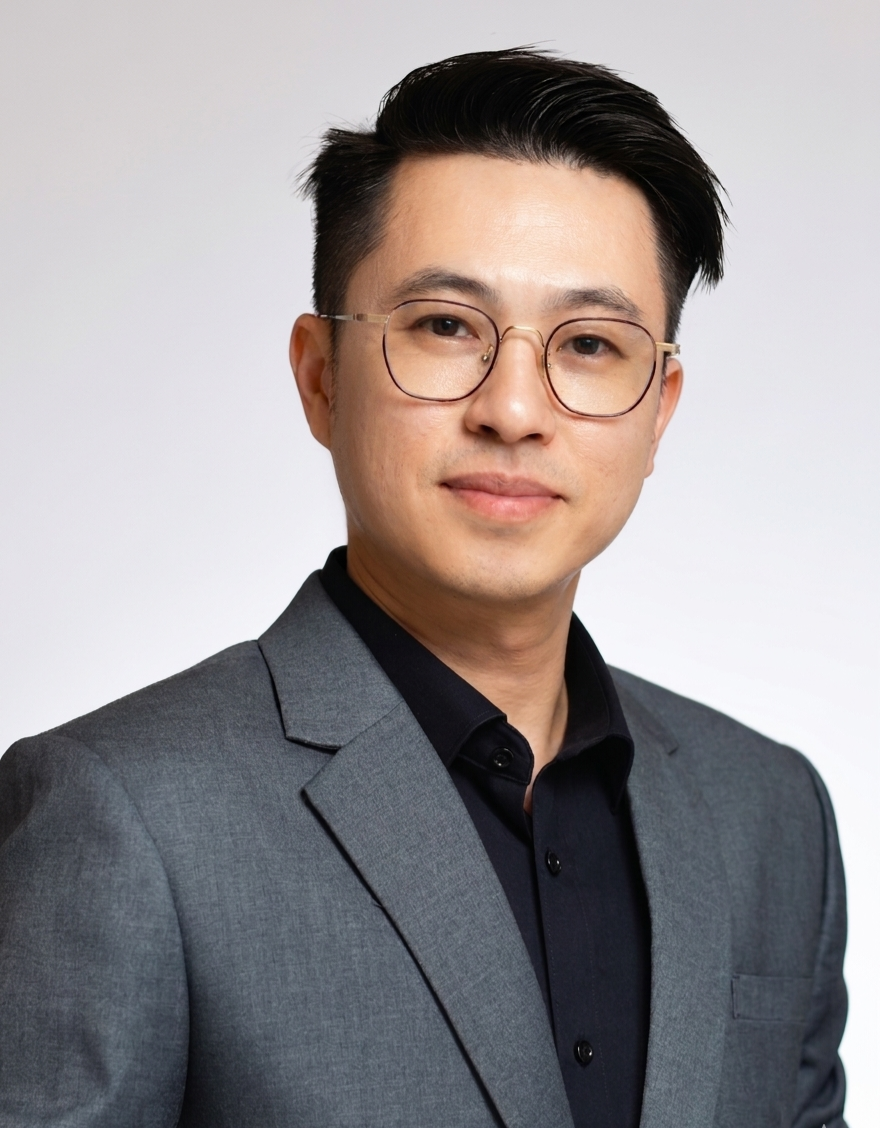
Dr Loh Ken Chen
M.B.B.S. (Malaya), MRCP (UK), Advanced Master of Dermatology (UKM)
National Specialist Register (NSR) No. 133112
Dr Loh Ken Chen is a Consultant Dermatologist with extensive experience in medical and aesthetic dermatology. He previously served as Head of the Department of Dermatology at Hospital Sultanah Bahiyah, Alor Setar, and has particular clinical interests in psoriasis, eczema, acne, pigmentation and complex skin conditions. His approach focuses on accurate diagnosis and personalised, evidence-based treatment based on each patient’s skin condition and individual needs. He is currently practising as a visiting Consultant Dermatologist at Kedah Medical Centre and Hospital Pantai Sungai Petani. He is also a co-founder of Loh & Celine Skin Specialist Clinic and Liv Skin Specialist Clinic.
Medical disclaimer: This article is intended for general educational purposes only and does not constitute medical advice, diagnosis or treatment. It is not a substitute for a professional consultation. Individual results and treatment suitability vary. Please consult a qualified dermatologist or your doctor regarding your specific condition before starting, changing or stopping any treatment.