
Pigmentation Disorders Treatment: A Complete Guide (Kedah, Perlis & Penang)
Pigmentation disorders are conditions where the skin becomes darker, lighter, or uneven in colour. This includes melasma, freckles (jeragat), sunspots, post-acne marks, and patches of lost colour. They are one of the most common concerns we see in our sunny part of Malaysia.
Signs and Symptoms
Pigmentation problems fall into two broad groups:
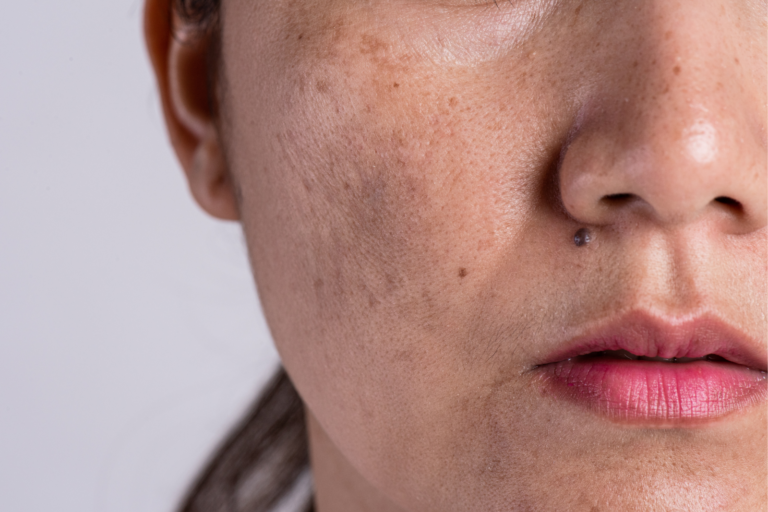
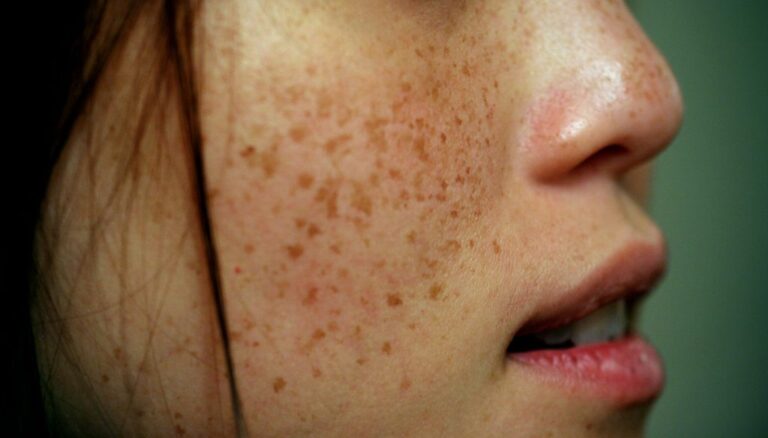
- Hyperpigmentation (too dark): brown or grey patches on the cheeks, forehead and upper lip (melasma); scattered dark spots (jeragat/freckles); sunspots; and dark marks left after acne or injury (PIH).
- Hypopigmentation (too light): pale or white patches where pigment is lost, such as in vitiligo or after certain skin conditions.
- Usually painless — the concern is mostly cosmetic, but even patches can affect confidence.

What Causes Pigmentation & How We Treat It
Common triggers include sun exposure, hormones (pregnancy, contraceptive pills), inflammation from acne or eczema, and genetics. Melasma in particular is stubborn and prone to coming back — so patience and sun protection matter as much as any procedure. Because melasma, freckles, sunspots and post-acne marks can look similar but respond differently, penilaian pakar kulit helps confirm the diagnosis before treatment is chosen.
Step 1 — Protect & topical: daily broad-spectrum sunscreen plus prescription creams (e.g. topical vitamin C, retinoids, azelaic acid) to fade and even out tone.
Step 2 — In-clinic treatments: chemical peels and medical facials to accelerate results on stubborn marks.
Step 3 — Advanced laser: Pico laser and similar technologies to target deep pigment safely — chosen carefully for darker Asian skin to avoid rebound.
Pigmentation Conditions We Treat
Each type of pigmentation needs a tailored approach.
Melasma
Symmetrical brown/grey patches driven by sun and hormones — managed with sun protection, creams and gentle laser.
Freckles & Sunspots (Jeragat)
Sun-induced dark spots on the face and hands — effectively lightened with topicals and Pico laser.
Post-Acne Marks (PIH)
Dark marks left after breakouts — faded with the right combination of peels and creams.
Uneven Skin Tone
Dullness and blotchy tone — brightened with medical facials and a targeted skincare plan.
Frequently Asked Questions (Soalan Lazim)
Can pigmentation be completely cured?
Is Pico laser safe for my skin?
Why does my melasma keep coming back?
Are whitening creams from the pharmacy safe (selamat)?
How long before I see results?
Will sunscreen alone fix my dark spots?
Does pregnancy cause pigmentation?
Can dark marks from acne be removed?
Explore More
Trusted resources and related reading.
Rawatan Jeragat
Punca dan cara hilangkan jeragat — panduan penuh kami.
Bahaya Krim Merkuri
Why mercury & hydroquinone whitening creams are dangerous.
Pico Laser Science
The technology behind our pigmentation laser treatments.
Vitiligo
Loss of pigment (hypopigmentation) — see our vitiligo guide.
AAD: Melasma
American Academy of Dermatology resource on melasma.
Book a Consultation
See Dr Loh in Alor Setar for a personalised pigmentation plan.
About the Author
Medically reviewed by Dr Loh Ken Chen, Consultant Dermatologist at Loh & Celine Skin Specialist Clinic, Alor Setar, Kedah. Serving patients across Kedah, Perlis and Penang. This guide is for education only and does not replace a personal consultation. He is registered on the National Specialist Register (NSR) of Malaysia, NSR No. 133112.