
Skin Infection Treatment: A Complete Guide (Kedah, Perlis & Penang)
A skin infection (jangkitan kulit) happens when unwanted microbes — bacteria, fungi, or viruses — take hold in or on your skin and start to multiply. The result can be redness (kemerahan), swelling, itching (gatal), pain, or a spreading rash.
Signs and Symptoms
Symptoms depend on the type of microbe, but watch for:
- Bacterial (e.g. impetigo, cellulitis, boils): warm, red, tender, swollen skin, sometimes with pus or golden crusts.
- Fungal (e.g. ringworm/kurap, athlete’s foot, candida): itchy, scaly, ring-shaped or peeling patches, often in warm folds.
- Viral (e.g. warts, cold sores, shingles): clusters of small bumps or blisters, sometimes painful.
- Red flags: rapidly spreading redness, fever, severe pain, or streaking — these need urgent medical care.
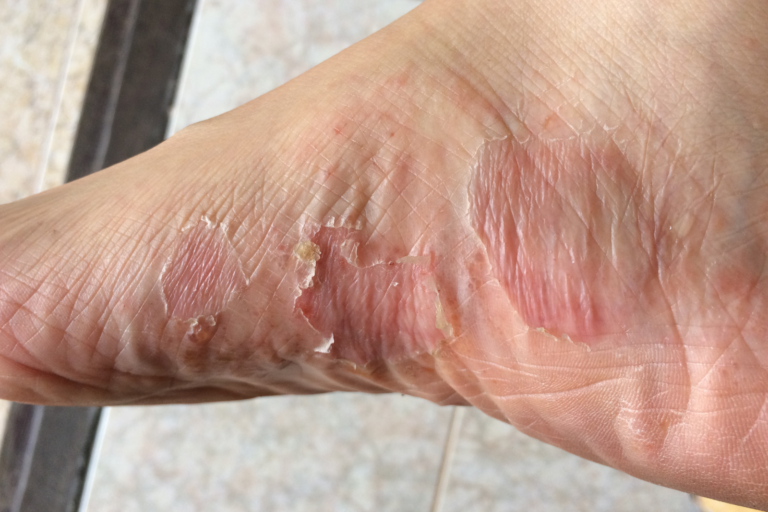
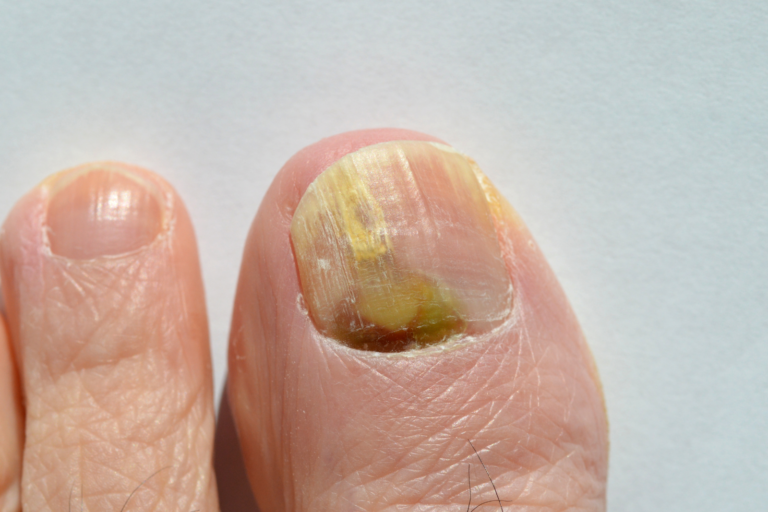
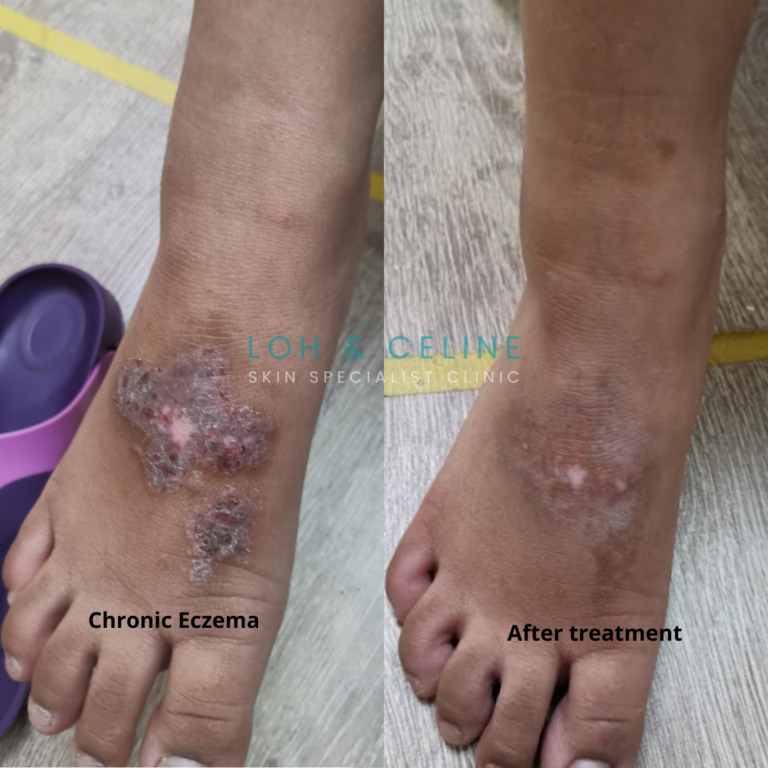
What Causes Skin Infections & How We Treat Them
Infections take hold when the skin barrier is broken or the immune system is stretched: cuts and insect bites, excessive moisture and sweat, sharing towels or razors, existing conditions like eczema, or diabetes. Correct treatment starts with correctly identifying the microbe — because an antibiotic won’t cure a fungus, and an antifungal won’t cure bacteria.
Step 1 — Topical: antibacterial, antifungal, or antiviral creams for mild, localised infections, plus good hygiene and keeping the area dry.
Step 2 — Oral medication: oral antibiotics, antifungals, or antivirals when the infection is widespread, deep, or not responding to creams.
Step 3 — Procedures & specialist care: draining a boil/abscess, wound care, and treating any underlying condition (e.g. controlling eczema or diabetes) to stop infections coming back.
An accurate diagnosis from a dermatologist means you get the right medicine the first time — avoiding the frustration of a rash that keeps returning.
Types of Skin Infection We Treat
The four main categories — each needs a different approach.
Bacterial Infections
Impetigo, folliculitis, boils, and cellulitis — treated with targeted antibacterials and wound care.
Fungal Infections (Kurap)
Ringworm, athlete's foot, and candida thrive in our humidity — cleared with antifungals and moisture control.
Viral Infections
Warts, cold sores, molluscum, and shingles — managed with antivirals, cryotherapy, or in-clinic procedures.
Recurrent Infections
When infections keep returning, we hunt for the root cause — a hidden skin condition or immune factor.
Frequently Asked Questions (Soalan Lazim)
Are skin infections contagious (berjangkit)?
How do I know if it's bacterial, fungal, or viral?
Can I just use an over-the-counter cream?
Why does my fungal infection keep coming back?
Is ringworm (kurap) caused by a worm?
When is a skin infection an emergency?
Can eczema or diabetes make infections worse?
How long does treatment take?
Explore More
Trusted resources and related reading.
Eczema & Skin Barrier
A broken barrier invites infection — learn how we protect it.
Topical Steroid Withdrawal
Read our guide on TSW and safe skin recovery.
When to See a Specialist
6 signs your skin problem needs professional care.
AAD: Ringworm
American Academy of Dermatology resource on ringworm.
NHS: Skin Infections
UK NHS overview of common bacterial skin infections.
Book a Consultation
See Dr Loh in Alor Setar for accurate diagnosis & treatment.
About the Author
Medically reviewed by Dr Loh Ken Chen, Consultant Dermatologist at Loh & Celine Skin Specialist Clinic, Alor Setar, Kedah. Serving patients across Kedah, Perlis and Penang. This guide is for education only and does not replace a personal consultation. He is registered on the National Specialist Register (NSR) of Malaysia, NSR No. 133112.