
Children’s Skin Diseases: A Complete Guide (Kedah, Perlis & Penang)
A child’s skin (kulit anak) is different from an adult’s — thinner, more delicate, and still developing its protective barrier. This means children are prone to their own set of skin conditions, from baby eczema and nappy rash to childhood infections and birthmarks. Most are common, manageable, and nothing to worry about with the right care.
Signs and Symptoms
Because children get a wide range of skin conditions, signs vary. Common patterns parents notice include:
- Dry, itchy, red patches in the elbow and knee creases or on the cheeks (baby/childhood eczema).
- Red, sore skin in the nappy area (nappy rash / dermatitis).
- Itchy blisters, spots or crusts that may signal a childhood infection.
- Small firm bumps (molluscum) or warts that spread with contact.
- Birthmarks or patches of different colour present from early life.
- Scratching that disturbs sleep — a key sign the condition needs treatment.
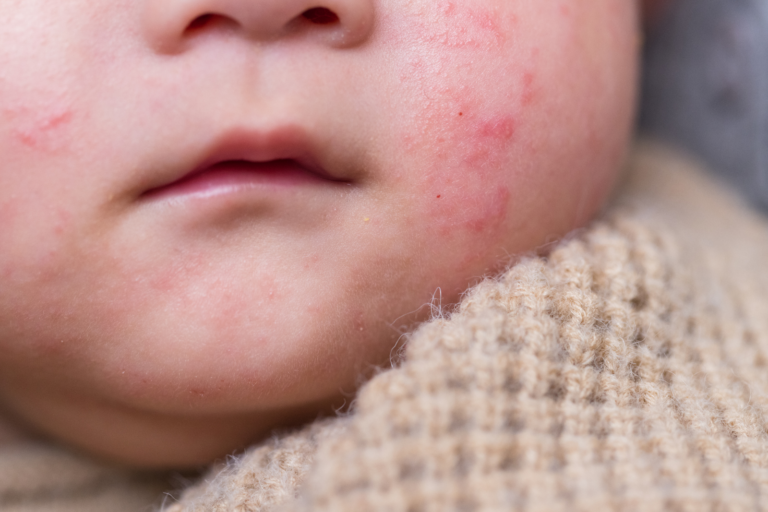
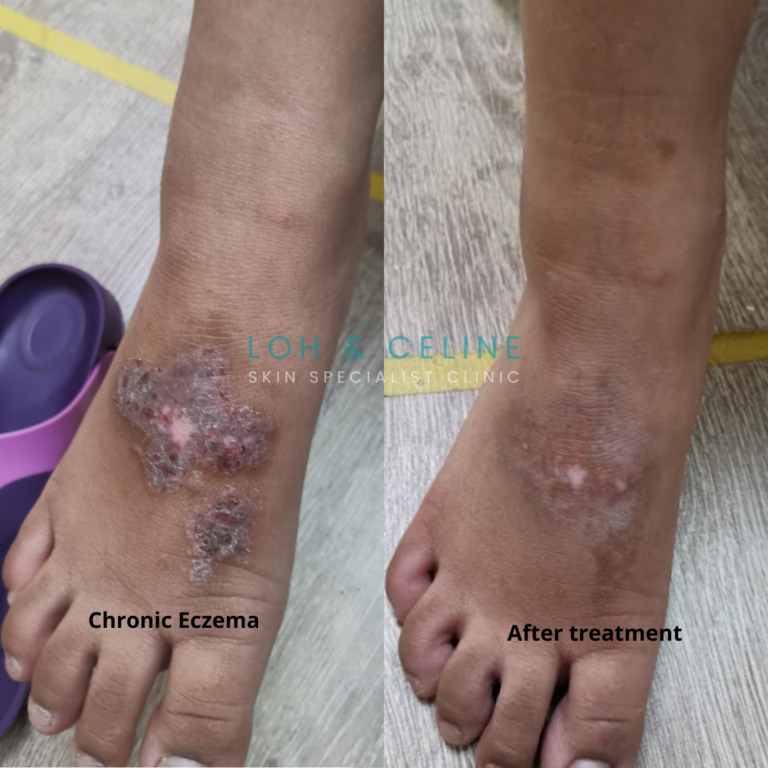
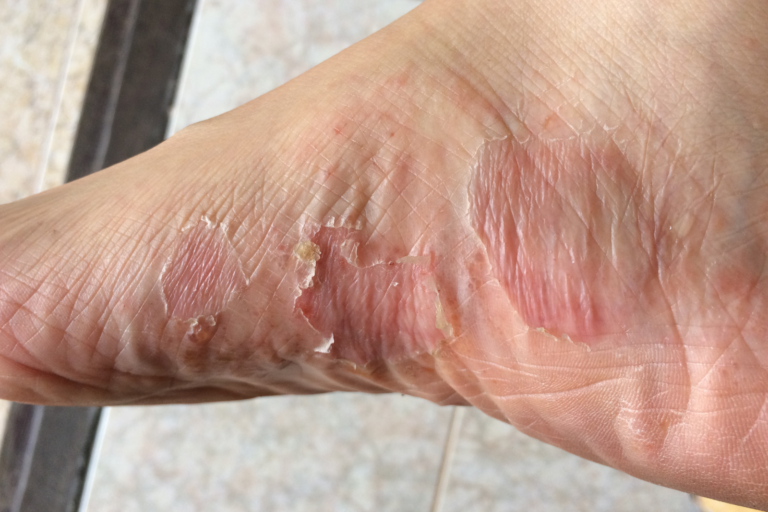
Common Childhood Skin Conditions & How We Treat Them
Children’s skin conditions are usually driven by the still-maturing skin barrier, sensitivity to irritants, our warm humid climate, and common childhood infections. The good news is that most respond very well to gentle, appropriate treatment — and many children simply grow out of them.
Step 1 — Skin barrier care: gentle cleansing, regular moisturising (pelembap), and avoiding irritants — the foundation for most childhood skin problems.
Step 2 — Targeted treatment: mild, age-appropriate prescription creams used correctly and safely to settle flare-ups.
Step 3 — Specialist management: for infections, persistent eczema, or birthmarks, a dermatologist tailors safe treatment and reassures you at every step.
Children's Skin Conditions We Treat
Some of the most common conditions we help young patients with.
Childhood Eczema
Dry, itchy patches — managed with gentle moisturising and safe, age-appropriate treatment.
Nappy Rash & Dermatitis
Sore, red skin from moisture and friction — soothed and prevented with the right routine.
Skin Infections & Warts
Impetigo, molluscum, ringworm and warts — treated gently to stop spread and discomfort.
Birthmarks & Rashes
Assessment of birthmarks and unusual rashes — reassurance and treatment when needed.
Frequently Asked Questions (Soalan Lazim)
Will my child grow out of their eczema?
Are steroid creams safe for children?
How do I stop my child scratching (menggaru)?
Is my child's rash contagious?
What moisturiser should I use for my baby?
When should I worry about a rash?
Can food allergies cause skin problems?
Do birthmarks need treatment?
Explore More
Trusted resources and related reading for parents.
Eczema Guide
Our full guide to eczema, common in children.
Skin Infections
Understanding contagious childhood skin infections.
Types of Skin Disease
A helpful overview of different skin conditions.
AAD: Childhood Eczema
American Academy of Dermatology parent resource.
NHS: Rashes in Babies
UK NHS guide to rashes in babies and children.
Book a Consultation
See Dr Loh in Alor Setar for gentle, child-friendly skin care.
About the Author
Medically reviewed by Dr Loh Ken Chen, Consultant Dermatologist at Loh & Celine Skin Specialist Clinic, Alor Setar, Kedah. Serving families across Kedah, Perlis and Penang. This guide is for education only and does not replace a personal consultation. He is registered on the National Specialist Register (NSR) of Malaysia, NSR No. 133112.